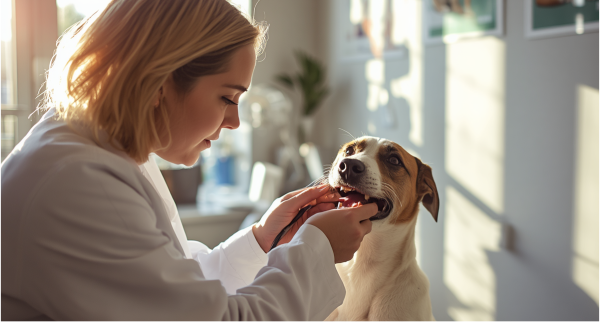
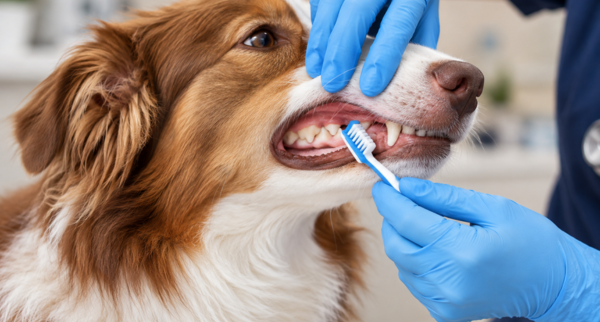
What Is a Pet Dental Check-Up?
A pet dental check-up is a veterinary assessment of your dog’s or cat’s mouth, teeth and gums. It is designed to identify visible signs of dental disease and other oral problems, while helping your veterinary team decide whether your pet needs additional dental care.
Dental problems can develop gradually, and pets may not always show obvious signs of discomfort. A regular pet dental examination gives your veterinarian an opportunity to look for changes before they become more advanced and to discuss practical ways you can support your pet’s oral health at home.
Why Is a Veterinary Dental Check Important?
Plaque is a sticky bacterial film that can build up on teeth. If it is not regularly removed, it can mineralise into tartar, also known as calculus. Plaque and tartar can contribute to inflammation of the gums and, when disease progresses, damage the teeth.
Dental disease can be painful, but some dogs and cats continue eating and behaving relatively normally despite oral problems. This is one reason routine preventive examinations are useful: they allow the veterinary team to assess the mouth rather than relying only on signs noticed at home.
What Happens During a Pet Dental Examination?
1. Your Vet Reviews Your Pet’s History
The appointment generally begins with a discussion about your pet’s health and anything you have noticed. Your veterinarian may ask about changes in eating, chewing, breath, drooling, grooming or behaviour, as well as your pet’s current dental-care routine.
Tell your veterinarian about any concerns, even if they seem minor. Details from home can help the veterinary team decide what areas need closer attention.
2. The Mouth and Teeth Are Examined
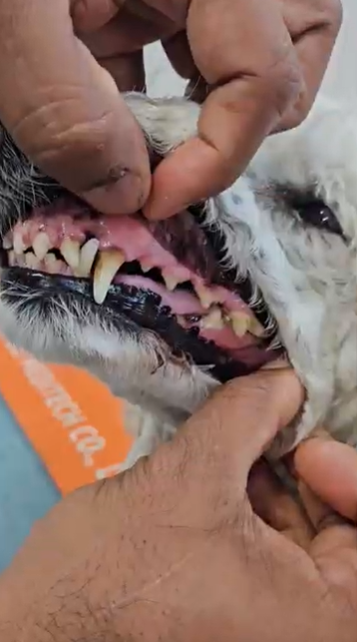
Your veterinarian will examine the visible parts of your pet’s mouth, including the teeth and gums. They may look for plaque, tartar, gum inflammation, damaged or loose teeth and other abnormalities.
The examination also considers the overall condition of the mouth rather than focusing on a single tooth. Your veterinarian may explain what they can see and whether the findings are consistent with routine monitoring or require further investigation.
3. The Gums Are Checked for Inflammation
Healthy gums should not be persistently red, swollen or bleeding. Your veterinarian will assess the gums for signs of inflammation and other changes.
Gum inflammation can be associated with plaque and dental disease. If inflammation is identified, your veterinarian can discuss the most appropriate next steps for your pet.
4. Tartar, Plaque and Dental Changes Are Assessed
Your vet may assess how much plaque or tartar is present and whether there are visible changes affecting individual teeth. A visual examination can provide useful information, but it cannot reveal every problem inside or below the gumline.
This distinction is important when discussing dental treatment. A pet can have dental disease that is not fully visible during an awake examination.
5. Your Veterinarian Discusses the Findings With You
After the examination, your veterinarian will explain what they have found and whether your pet would benefit from changes to their home dental routine, ongoing monitoring or professional dental treatment.
If your pet has significant dental disease, the veterinary team may recommend a more comprehensive dental procedure. The recommendation will depend on your pet’s individual findings, health and dental needs.
Does a Dental Check-Up Mean My Pet Needs Anaesthesia?
Not necessarily. A routine pet dental check-up and professional dental procedures are not the same. A routine examination allows the veterinarian to assess the mouth and identify concerns that may require further investigation. This does not require anesthesia.
However dental procedures such as teeth extraction, scale and polish and dental X rays require general anesthetic administration to the pets. This allows the immobilization of the pet and ability to carry out procedures without pain.
Why Might My Pet Need Dental X-Rays?
Dental X-rays can provide information that cannot be obtained from looking at the visible surface of the teeth. Problems below the gumline or within a tooth may not be obvious during a routine visual examination.
If your veterinarian recommends dental X-rays, they can help assess the health of individual teeth and supporting structures and guide treatment decisions. Whether X-rays are needed depends on the findings and the dental procedure being considered.
What Is the Difference Between a Dental Check and Professional Dental Cleaning?
A dental examination is primarily an assessment. It allows your veterinarian to look for signs of dental disease and discuss your pet’s oral-health needs.
Professional dental cleaning is a treatment procedure. When indicated, it can involve a thorough oral examination, dental X-rays, scaling to remove plaque and calculus, polishing and treatment of diseased or damaged teeth.
Professional dentistry is performed under general anaesthesia because it allows the veterinary team to work safely and thoroughly, including below the gumline. Anaesthesia-free cosmetic scaling does not provide the same opportunity to diagnose and treat disease.
Dog Dental Check: What Should Owners Know?
Dogs commonly develop plaque, tartar, gingivitis and periodontal disease. During a dog dental check-up, your veterinarian may look for visible tartar, gum inflammation, damaged or loose teeth and other changes.
You may be asked whether your dog has developed bad breath, changed the way they chew, dropped food, drooled more than usual or shown reluctance to have their mouth handled. These signs can help provide context, although their absence does not guarantee that the mouth is healthy.
Cat Dental Check: What Should Owners Know?
Cats can develop dental disease as well as other oral conditions, including gingivitis, periodontal disease, feline chronic gingivostomatitis and tooth resorption.
Cats can hide signs of pain particularly well. Changes in appetite, chewing, grooming, drooling or behaviour may therefore be important even when a cat appears otherwise well.
A cat dental check should be approached as part of preventive care, rather than waiting for obvious mouth pain to appear.
How Often Should Your Pet Have a Dental Examination?
There is no single dental-check schedule that is appropriate for every dog or cat. Your veterinarian can recommend a suitable frequency based on factors such as your pet’s age, dental history, risk factors and previous examination findings.
Routine veterinary examinations provide an opportunity to monitor oral health over time. If your pet has existing dental disease or other risk factors, your veterinarian may recommend more frequent assessments.
Signs Your Pet May Need a Dental Check Sooner
Do not wait for the next routine appointment if you notice a persistent or concerning change in your pet’s mouth or behaviour. Signs that warrant veterinary attention can include:
- Persistent or unusually strong bad breath
- Visible yellow or brown tartar
- Red, swollen or bleeding gums
- Difficulty chewing or changes in eating behaviour
- Dropping food while eating
- Excessive drooling
- Pawing at the mouth
- Loose, damaged or missing teeth
- Facial swelling
- Reduced grooming in cats
- Reduced appetite, weight loss or other unusual behavioural changes
How Can You Prepare for Your Pet’s Dental Appointment?
- Make a note of any changes you have noticed, including changes in breath, eating, chewing or behaviour.
- Tell the veterinary team about your pet’s current dental-care routine and any dental products you use.
- If possible, note when you first noticed the problem and whether it has become more frequent or severe.
- Bring any relevant information about previous dental treatment or known oral problems.
- Avoid forcing your pet’s mouth open at home if they appear painful or distressed.
What Happens After the Dental Examination?
Your veterinarian will explain the findings and recommend the next step based on your pet’s individual needs. For a pet with a healthy-looking mouth, this may involve continuing an appropriate home-care routine and monitoring.
If dental disease is suspected or identified, your veterinarian may recommend professional dental treatment. This could involve further assessment, dental X-rays, cleaning or treatment of affected teeth. Your veterinary team can explain what is recommended and why.
Frequently Asked Questions
What is included in a pet dental check-up?
A veterinary dental check generally includes a review of your pet’s history and an examination of the visible teeth, gums and mouth. Your veterinarian may assess plaque, tartar, gum inflammation, damaged teeth and other abnormalities.
Is a pet dental examination painful?
A routine examination is designed to assess your pet’s mouth safely. If your pet has significant oral disease or pain, your veterinarian will take this into account and explain appropriate options for further assessment or treatment.
Does my pet need to be anaesthetised for every dental check?
No. A routine visual examination can often be performed while your pet is awake. General anaesthesia may be recommended when a complete dental assessment, dental X-rays or professional treatment is required.
Can dental disease be found during a routine veterinary examination?
Your veterinarian may identify visible signs of dental disease during a routine examination. Some problems, however, occur below the gumline and may require a more comprehensive dental assessment and dental X-rays.
Should healthy-looking pets still have dental checks?
Yes. Pets may not show obvious signs of oral discomfort, so routine veterinary examinations can help identify changes earlier and support preventive care.
Why Regular Dental Checks Are Part of Preventive Pet Care
A pet dental check-up is not only about treating an existing problem. It is also an opportunity to monitor your pet’s oral health, discuss home care and identify changes before they become more advanced.
Combining regular veterinary examinations with appropriate home dental care gives owners a practical way to support their dog’s or cat’s oral health throughout life.
Pet Dental Care at Best Care Vets Beaconsfield
If you are concerned about your pet’s teeth, gums or breath, Best Care Vets Beaconsfield can assess your dog’s or cat’s oral health and discuss the appropriate next steps with you.
Whether you have noticed a new change or simply want to stay on top of preventive care, a veterinary dental examination can help you understand your pet’s individual dental needs.
Book an appointment with Best Care Vets Beaconsfield to discuss your pet’s dental health.
Conclusion
A pet dental check-up is a straightforward but important part of preventive veterinary care. During the examination, your veterinarian reviews your pet’s history and assesses the visible teeth, gums and mouth for signs of plaque, tartar, inflammation and other oral problems.
A routine check does not automatically mean your pet needs a dental procedure or anaesthesia. If further treatment is recommended, your veterinary team can explain why it is needed and what the procedure involves.
If you have noticed changes in your pet’s breath, eating, chewing or mouth, or if you are unsure when their next dental examination is due, speak with your veterinary team.