Why Does My Dog Have Bad Breath?
If you have ever wondered, “why does my dog have bad breath?”, you are not alone. A noticeable change in your pet’s breath is common, but persistent or unusually strong bad breath should not simply be dismissed as normal. One of the most common causes is an oral-health problem, particularly plaque, tartar and gum disease. However, bad breath can have several possible causes, so the smell alone cannot tell you exactly what is wrong.
The same principle applies to cats. Bad breath in a cat can be associated with dental disease and other oral conditions, and cats may not always show obvious signs of discomfort. Understanding the common causes of pet bad breath can help you recognise when it is time to arrange a veterinary examination.

Is Bad Breath Normal in Dogs and Cats?
A pet’s breath may have a mild odour after eating, but persistent, strong or unusual bad breath deserves attention. Healthy mouths should not have a strong unpleasant smell accompanied by visible dental problems.
Bad breath is a sign rather than a diagnosis. It can occur with dental disease, food or material lodging around the teeth, inflammation or other health problems. A veterinary examination is the appropriate way to investigate bad breath.
Common Causes for Bad Breath in Dogs and Cats
1. Plaque and Tartar
Plaque is a sticky bacterial film that forms on the teeth. When plaque is not regularly removed, it can mineralise and become tartar, also called calculus. Tartar can make the tooth surface rougher and contribute to further plaque accumulation.
This is one reason consistent dental care matters. Regular brushing and dental treats help remove plaque before it hardens. Once significant tartar has developed, brushing alone cannot remove it and professional veterinary dental care may be required.
2. Gingivitis and Periodontal Disease
Plaque can irritate the gums and contribute to gingivitis, which causes inflammation around the teeth. If dental disease progresses, the tissues supporting the teeth can also become affected. Damage to these supporting structures around the teeth can lead to periodontal disease and tooth loss.
Bad breath may be one of the first things an owner notices, but other signs can include red or swollen gums, bleeding, visible tartar, changes in eating or chewing, drooling or reluctance to have the mouth handled.
3. Food or Material Around the Mouth
Food particles or other material can sometimes become trapped around teeth or within the mouth and contribute to an unpleasant smell. If the odour persists despite normal eating and routine care, it is worth having your pet’s mouth checked rather than assuming food is the only explanation.
4. Oral Injuries or Other Mouth Problems
Inflammation, damaged teeth, oral wounds or jaw or tooth abnormalities can also contribute to an unpleasant smell. Some problems may be difficult for an owner to see, particularly when they occur towards the back of the mouth or below the gumline.
A veterinary examination can help determine whether there is a visible oral problem and whether further investigation is appropriate.
Can Cats Get Bad Breath?
Yes. Cat bad breath can be associated with dental disease and other painful oral conditions. Cats can develop gingivitis and periodontal disease, and some cats develop feline chronic gingivostomatitis, a condition involving significant inflammation and ulceration of oral tissues.
Cats can also develop tooth resorption, which involves progressive loss of tooth structure and can be painful. Because cats may hide discomfort, owners should pay attention to subtle changes such as altered eating, dropping food, increased drooling, pawing at the mouth, reduced grooming or changes in normal behaviour.
Could Bad Breath Be Caused by Something Other Than Dental Disease?
Yes. Dental disease is an important cause of pet bad breath, but it is not the only possibility. Oral injuries, inflammation, trapped material and other systemic health conditions can sometimes be involved.
This is why it is important not to diagnose the cause based on breath alone. If bad breath is persistent, worsening, unusually strong or accompanied by other changes in your pet, a veterinarian can assess the mouth and decide whether additional investigations such as blood tests are needed.
Signs That Bad Breath Needs a Veterinary Examination
Arrange a veterinary assessment if your pet has persistent bad breath, particularly when you notice any of the following:
- Visible yellow or brown tartar on the teeth
- Red, swollen or bleeding gums
- Difficulty chewing or a change in eating behaviour
- Dropping food while eating
- Excessive drooling
- Pawing at the mouth
- Reluctance to have the face or mouth touched
- Loose, damaged or missing teeth
- Facial swelling
- Reduced grooming in a cat
- Reduced appetite, weight loss or other changes in normal behaviour
These signs do not identify a specific condition on their own. They indicate that your pet may benefit from a professional assessment.
How a Veterinarian Investigates Persistent Bad Breath
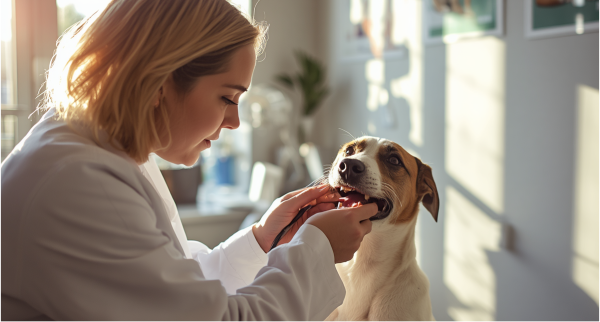
A veterinary dental assessment generally begins with your pet’s history and a physical examination of the mouth. The veterinarian may look at the teeth, gums, and visible oral tissues for plaque, tartar, inflammation, damaged teeth, and other abnormalities.
Some dental disease occurs below the gumline and cannot be fully assessed during a simple consultation. If a more comprehensive dental procedure is indicated, the veterinary team may recommend general anaesthesia so the mouth can be thoroughly examined and cleaned. Dental X-rays may also be used to identify problems that cannot be seen from the surface.
The appropriate approach depends on your pet’s individual health, examination findings, and dental needs.
What Can You Do to Support Your Pet’s Oral Health?
Good oral hygiene is an important part of preventing and managing dental problems. For many pets, daily tooth brushing is the most effective at-home method for removing plaque.
- Use a toothbrush and toothpaste specifically designed for pets.
- Never use human toothpaste for your dog or cat (This could be toxic)
- Introduce brushing gradually and keep sessions calm and positive.
- Ask your veterinarian about suitable dental diets, chews or other products for your pet.
- Arrange regular veterinary dental examinations.
- Do not attempt to scrape established tartar from the teeth yourself.
Home care works best as part of a broader preventive-care routine. Dental products may provide additional support, but they do not replace veterinary assessment or professional treatment when dental disease is already established.
How to Help Prevent Recurring Bad Breath
The best approach to preventing recurring pet bad breath is to address its underlying cause. If dental disease is responsible, controlling plaque and tartar and following your veterinarian’s treatment recommendations can help.
Once your pet has an appropriate dental-care routine, maintain it consistently. Regular home care can help control plaque, while veterinary examinations allow changes to be identified and managed as your pet ages.
Frequently Asked Questions
Why does my dog have bad breath all of a sudden?
A sudden change in breath can have several possible causes, including oral problems, trapped material or other health issues. If the change persists or is accompanied by other symptoms, arrange a veterinary examination.
Is dog bad breath always caused by dental disease?
No. Dental disease is an important and common oral cause of bad breath, but the smell alone cannot establish the cause. A veterinarian can assess your dog and determine whether further investigation is needed.
Why does my cat have bad breath?
Cat bad breath can be associated with dental disease and other oral conditions. Cats may hide oral discomfort, so changes in eating, grooming, drooling or behaviour should be discussed with a veterinarian.
Can brushing my pet’s teeth get rid of bad breath?
Regular brushing can help control plaque and support oral health, which may help prevent dental-related bad breath. However, if significant tartar or dental disease is already present, brushing alone may not be enough and veterinary treatment may be needed.
When should I take my pet to the vet for bad breath?
Arrange an examination when bad breath is persistent, unusually strong or accompanied by signs such as tartar, red or bleeding gums, difficulty eating, drooling, mouth discomfort, facial swelling or behavioural changes.
Why Bad Breath Should Not Be Ignored
It can be tempting to accept bad breath as part of having a dog or cat, but persistent changes deserve attention. Your pet may continue eating and behaving normally even when oral disease is developing.
If you have noticed a change in your pet’s breath, checking the mouth and arranging a veterinary assessment when appropriate can help identify problems early. Early attention also gives you an opportunity to establish a practical dental-care routine tailored to your pet.
Pet Oral Health at Best Care Vets Beaconsfield
Best Care Vets Beaconsfield supports preventive veterinary care, including assessment of your pet’s oral health. If you are concerned about persistent bad breath, visible tartar, gum changes, difficulty eating or other mouth-related signs, a veterinary examination can help determine the next step.
Book an appointment if you are concerned about your dog’s or cat’s breath or would like advice on maintaining their oral health at home.
Conclusion
So, why does my dog have bad breath? There are several possible explanations, but dental problems are an important cause and should not be overlooked. Plaque and tartar can contribute to gum inflammation and periodontal disease, along with soem systemic illnesses. Cats can also experience bad breath due to oral conditions or systemic ilnesses.
Persistent or unusual pet bad breath is best treated as a reason to check your pet’s oral health rather than something to ignore. Keep your pet thriving with daily oral care, regular veterinary visits, and prompt attention to subtle changes. A healthy mouth means a lifetime of comfort and play.