
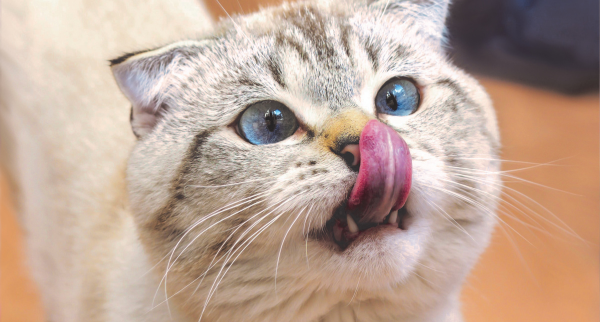
Your cat’s mouth is an important part of their overall wellbeing, but dental problems can be surprisingly difficult to notice at home. Cats are very good at hiding pain, and some cats with dental disease continue eating and behaving normally even when their mouth is uncomfortable.
Good cat dental care combines appropriate home care with regular veterinary examinations. Understanding how plaque and tartar develop, knowing the signs of cat teeth problems and introducing dental care gradually can help you support your cat’s oral health throughout their life.
Why Is Cat Dental Care Important?
Plaque is a soft, sticky film containing bacteria that forms on the teeth. When plaque is not removed, minerals in saliva can cause it to harden into tartar, also called dental calculus. Tartar is much harder to remove and can contribute to inflammation of the gums.
If inflammation progresses below the gumline, it can affect the tissues supporting the teeth and lead to periodontal disease. Dental disease can cause pain, inflammation, tooth damage and tooth loss.
This is why cat dental health should be considered part of routine preventive care rather than something to address only when a problem becomes obvious.
What Are the Signs of Cat Teeth Problems?
Cats may show subtle signs of oral discomfort. Watch for changes such as:
- Bad breath that persists or becomes stronger.
- Red, swollen or bleeding gums.
- Visible tartar or discolouration on the teeth.
- Drooling more than usual.
- Difficulty chewing or changes in eating behaviour.
- Dropping food or preferring softer food.
- Pawing at the mouth.
- Reduced grooming or changes in normal behaviour.
- Weight loss or reduced appetite.
- Facial swelling or discharge.
These signs can have different causes, so they should not be used to diagnose a dental condition at home. If you notice a change in your cat’s mouth, eating habits or behaviour, arrange a veterinary assessment.
Common Cat Dental Health Problems
Gingivitis and periodontal disease
Gingivitis is inflammation of the gums and can develop as plaque and tartar accumulate. If dental disease progresses, inflammation and infection can affect the structures supporting the teeth. Without appropriate care, periodontal disease can result in tooth loss and significant oral discomfort.
Feline gingivostomatitis
Some cats develop feline chronic gingivostomatitis, a severe inflammatory condition affecting the gums and other tissues in the mouth. Affected cats may have very red or ulcerated tissues, drooling, bad breath, difficulty eating, reduced grooming, weight loss or signs of pain.
Because gingivostomatitis can have multiple contributing factors and may cause significant discomfort, it requires immediate veterinary assessment and an individual treatment plan.
Tooth resorption
Cats can also develop tooth resorption, a painful condition in which the tooth is progressively damaged. The problem may not be obvious from a visual examination alone, and hence. Dental X rays may be required.
Can You Clean Your Cat’s Teeth at Home?
Yes, home dental care can help support your cat’s oral health. Daily tooth brushing is considered the most effective home method for reducing plaque in cats.
Not every cat will accept brushing immediately. The aim is to build tolerance slowly rather than forcing the process. However, for cats that simply will not accept toothbrushing, alternative preventative measures—including veterinary-recommended dental diets and regular professional exams—provide an effective backup strategy.
Step 1: Start with gentle mouth handling
Choose a quiet time when your cat is relaxed. Gently touch their face and lift the lip for a moment, then stop and reward calm behaviour. Repeat this over several sessions before introducing a toothbrush.
Step 2: Introduce pet toothpaste
Use toothpaste specifically formulated for cats. Do not use human toothpaste. Cats can swallow toothpaste, and human dental products are not designed for them.
Step 3: Introduce a suitable toothbrush
Once your cat is comfortable with mouth handling and the toothpaste, gradually introduce a soft toothbrush or a finger brush designed for pets. Keep early sessions short and focus on the outer surfaces of the teeth.
Step 4: Brush gently and consistently
Use gentle movements along the teeth, especially around the gumline. Do not force your cat’s mouth open or continue if they show obvious distress or pain.
The goal is consistency. If daily brushing is not immediately achievable, start with short sessions and build the routine gradually.
What Other Cat Dental Care Options Are Available?
Your veterinarian may recommend additional products depending on your cat’s dental health and individual needs.
- Veterinary-recommended dental diets.
- Dental treats or products designed for cats.
- Other oral-care products recommended by your veterinary team.
- Professional dental cleaning when plaque, tartar or disease is already present.
Dental diets and treats may help control plaque or tartar in some cats, but they should not automatically be considered a replacement for brushing or veterinary dental care. Your veterinarian can help you choose suitable products.
When Should Your Cat See a Veterinarian?
Arrange a veterinary assessment if you notice bad breath, red or bleeding gums, drooling, difficulty eating, pawing at the mouth, visible tartar, facial swelling or other changes in your cat’s normal behaviour.
Cats can hide oral pain, so a change in behaviour may be the only indication that something is wrong. Annual veterinary examinations are recommended as part of preventive care, with dental health assessed during the visit.
What Happens During Professional Cat Dental Care?
A veterinary dental assessment begins with an examination of the mouth and teeth. If a professional dental procedure is required, the veterinary team may perform dental X-rays to assess structures below the gumline and identify problems that are not visible during a conscious examination.
Professional dental treatment can also involve scaling to remove plaque and tartar, polishing, periodontal probing and treatment of damaged or diseased teeth where necessary.
A complete dental examination and treatment generally require general anaesthesia. This allows the veterinary team to keep the patient still, examine the entire mouth, take dental X-rays if need to and safely perform treatment. RSPCA and AAHA guidance both state that anaesthesia-free dental cleaning does not provide the same diagnostic or treatment capability and should not be used as a substitute for veterinary dentistry.
Why Regular Dental Checks Matter
A cat’s mouth can look relatively normal from the outside while problems are developing below the gumline. Dental X-rays can reveal disease that cannot be identified through a visual examination alone. RSPCA specifically highlights feline tooth resorption as an example of a painful condition that may require X-rays for diagnosis. citeturn1search0
Regular veterinary dental assessments therefore complement the care you provide at home. Your veterinarian can advise how often your cat needs professional dental care based on their age, oral health, previous dental history and individual risk factors.
Practical Cat Dental Care Checklist
- Check your cat’s mouth regularly if they tolerate gentle handling.
- Watch for bad breath, red gums, drooling or changes in eating.
- Introduce tooth brushing gradually.
- Use toothpaste and dental products specifically designed for cats.
- Never use human toothpaste.
- Ask your veterinarian about suitable dental diets or treats.
- Keep routine veterinary examinations up to date.
- Arrange an assessment if you notice signs of pain or other oral changes.
Frequently Asked Questions
How often should I brush my cat’s teeth?
Daily brushing is generally the most effective home approach for controlling plaque. Introduce it gradually, particularly if your cat is not used to having their mouth handled. citeturn1search1turn0search0
Can I use human toothpaste on my cat?
No. Use toothpaste specifically formulated for cats. Human toothpaste is not designed for pets and may contain ingredients that are unsuitable or toxic if swallowed. citeturn0search0
What if my cat refuses tooth brushing?
Do not force the process. Go back to gentle mouth handling and introduce each step gradually. If your cat appears painful or unusually resistant, arrange a veterinary assessment because dental disease can make mouth handling uncomfortable.
Does bad breath mean my cat has dental disease?
Bad breath can be associated with dental disease, but it can have other causes. Persistent or unusual breath should be assessed by a veterinarian.
Can dental treats replace tooth brushing?
Dental treats and specially formulated diets may provide additional support for some cats, but they should not automatically replace brushing or professional veterinary care. Ask your veterinarian which products are appropriate.
Can dental disease be painful for cats?
Yes. Dental disease, gingivitis, gingivostomatitis and conditions such as tooth resorption can cause significant oral pain. Cats may hide this pain, so subtle changes in eating, grooming or behaviour can be important. citeturn1search0
Supporting Your Cat’s Dental Health at Best Care Vets Beaconsfield
At Best Care Vets Beaconsfield, dental care forms part of a broader preventive approach to pet wellbeing. Our veterinary team can assess your cat’s oral health, discuss changes you have noticed and recommend an appropriate care plan based on your cat’s individual needs.
If you have noticed bad breath, red gums, tartar, drooling, changes in eating or signs of mouth discomfort, contact Best Care Vets Beaconsfield to arrange a veterinary assessment.
Conclusion
Good cat dental care starts with prevention and consistency. Gentle tooth brushing, appropriate dental products and regular veterinary checks can all contribute to better cat oral health.
Because cats can hide dental pain, changes such as bad breath, red gums, drooling, difficulty eating or reduced grooming should not be ignored. If you are concerned about your cat’s teeth or mouth, a veterinary examination can help identify the cause and determine the most appropriate next step.