Pets can appear healthy while early changes in weight, teeth, skin, mobility or behaviour go unnoticed. Regular vet health checks for dogs and cats give your veterinarian an opportunity to assess your pet’s condition, discuss changes you have noticed and plan appropriate preventive care. A health check is not only for pets that seem unwell; it can establish a baseline for comparison over time. The right interval depends on age, health, lifestyle and medical history.
What happens during a pet health check?
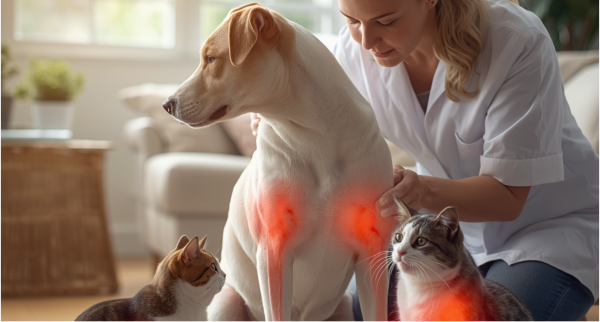
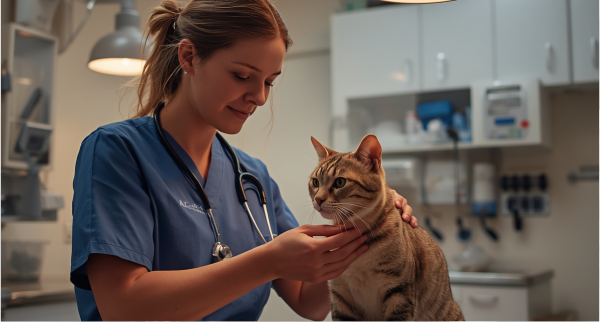
Your veterinarian will usually ask about appetite, thirst, toileting, activity, behaviour, diet, medication and recent changes. The examination may include weight and body condition, eyes, ears, mouth, teeth, gums, skin, heart and lungs, abdomen and general physical condition. Your vet may also discuss mobility, vaccination, parasite prevention and identification records. If the history or examination suggests a need, diagnostic tests such as blood or urine tests may be recommended. Tests are not automatically required at every visit; recommendations should reflect your pet’s individual needs.
Why routine examinations matter
Pets cannot explain where they feel discomfort, and some animals hide signs of illness. Routine examinations give you time to discuss changes and allow your vet to compare findings with previous visits. They can also support planning for nutrition, weight management, dental care, parasite prevention, vaccination and age-related needs. Vaccination and health checks are related but not identical: an adult pet may need a health examination even when a vaccine booster is not due.
How often should your pet see a vet?
There is no single schedule for every animal. Many adult pets benefit from at least an annual health review, while puppies, kittens, senior pets and animals with chronic conditions may need more frequent appointments. Your veterinarian will consider age, medical history, medication, breed-related risks, body condition, lifestyle and exposure to other animals. Do not wait for the next routine appointment if your pet develops new or concerning symptoms; contact a clinic for advice on how promptly they should be assessed.
How to prepare for an appointment
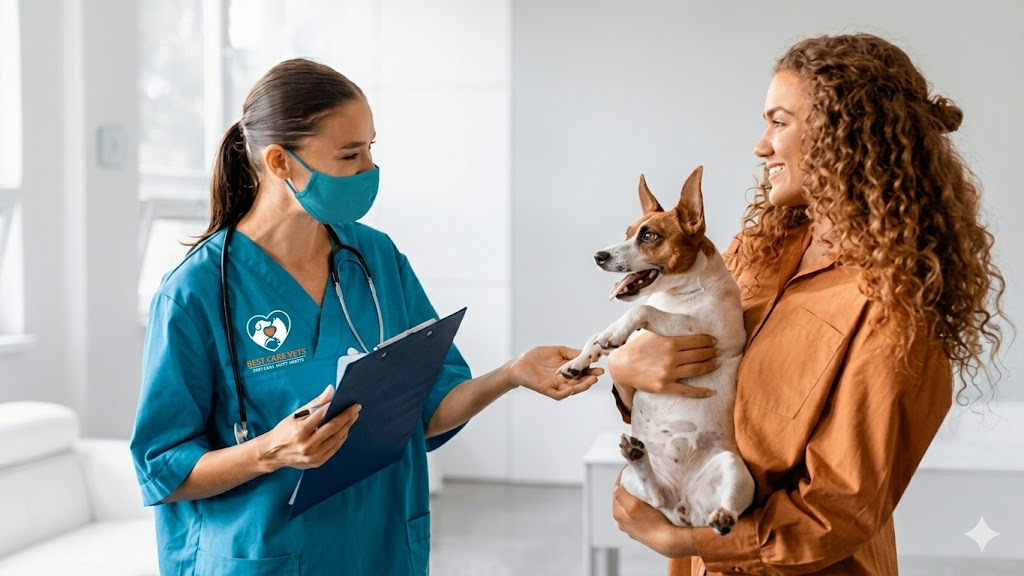
Before the visit: (1) write down changes and when they began; (2) bring vaccination and previous medical records; (3) list medicines, supplements and parasite-prevention products; (4) note usual food, appetite, drinking and toileting; and (5) prepare questions about behaviour, nutrition or activity. If your pet becomes anxious during travel or at the clinic, tell the team when booking so they can discuss ways to make the visit more comfortable. Use a secure carrier for cats and keep dogs on a lead unless advised otherwise.
Frequently asked questions
Does my pet need a health check if they seem healthy? Yes. It provides a baseline and an opportunity to review preventive care.
Are health checks the same as vaccinations? No. Vaccination is one part of preventive care; a health check covers broader health needs.
Should senior pets have more frequent checks? Often, yes. Ask your vet to recommend an interval for your pet.
What if I notice a change between appointments? Contact your clinic for advice rather than waiting for the next routine visit. Severe breathing difficulty, collapse, or severe bleeding requires urgent veterinary care.
Conclusion
Regular vet health checks for dogs and cats support informed decisions about preventive care and changing health needs. Keep notes on changes at home and ask your veterinarian how often reviews are appropriate.
As the local Beaconsfield vet clinic and the only veterinary clinic located within the Beaconsfield suburb, Best Care Vets Beaconsfield is committed to ensuring our local pet community receives compassionate, high-quality care at every visit.
Our veterinary team provides care for pets and their families, helping owners make informed decisions about their pets’ health. If your pet is due for a health review or you have noticed a change, contact Best Care Vets Beaconsfield to discuss an appropriate appointment.