Why Cleaning Your Dog’s Teeth at Home Matters
Looking after your dog’s teeth is an important part of routine preventive care. Plaque is a sticky film containing bacteria that builds up on the teeth. When plaque is not regularly removed, it can mineralise and form tartar, also called calculus. Tartar can contribute to gum inflammation and make it harder to maintain a clean mouth.
Regular dog teeth cleaning at home is designed to control plaque before it hardens. It does not replace veterinary dental examinations or professional treatment when dental disease is already present. The most effective at-home approach is regular tooth brushing using products designed specifically for dogs.
How to Clean Dog Teeth: A Step-by-Step Guide
1. Choose the Right Toothbrush and Toothpaste
Use a toothbrush designed for dogs and choose a size and shape that is comfortable for your dog and easy for you to handle. Always use toothpaste formulated specifically for pets. Human toothpaste should not be used for dogs. Your veterinarian can recommend suitable products if you are unsure what to choose.
2. Let Your Dog Get Used to Mouth Handling
If your dog is not accustomed to having their mouth handled, do not begin by immediately brushing all of their teeth. Start by gently touching the outside of their lips and cheeks and allowing them to become comfortable with the sensation. Keep early sessions brief and calm.
3. Introduce the Pet Toothpaste
Once your dog is comfortable with gentle mouth handling, introduce a small amount of pet toothpaste. Let your dog smell and taste it before introducing the toothbrush. Progress at a pace your dog can tolerate comfortably.
4. Start Brushing Gently
When your dog is comfortable, place the toothbrush against the outer surfaces of the teeth and use gentle movements. Start with a small number of teeth and gradually build up the routine. Pay attention to the areas where teeth meet the gums while remaining gentle.
5. Build a Regular Routine
Consistency is more important than trying to complete a long session from the beginning. As your dog becomes comfortable, gradually work towards brushing more of the teeth. Daily brushing is considered the most effective at-home method for controlling plaque.
How Often Should You Brush Your Dog’s Teeth?
Ideally, dog teeth should be brushed every day. Regular brushing helps remove plaque before it mineralises into tartar. If your dog is new to brushing, focus first on building tolerance and a consistent habit. Your veterinary team can help you develop a routine suited to your dog.
What If Your Dog Refuses Tooth Brushing?
Some dogs take time to accept tooth brushing. Do not force the process. Break the routine into smaller steps and give your dog time to adjust.
Begin with gentle mouth handling; introduce toothpaste separately; keep early sessions short; reward calm behaviour; gradually increase brushing; and ask your veterinary team for advice if your dog remains highly resistant.
Other Dog Dental Care at Home Options
Tooth brushing is the most effective at-home method for removing plaque, but some dental diets, chews and other products may provide additional support. Their suitability and effectiveness vary between products and individual dogs.
Ask your veterinarian before introducing a new dental product, particularly if your dog has existing dental disease, missing or damaged teeth, dietary restrictions or other health considerations.
Can You Remove Tartar from Your Dog’s Teeth at Home?
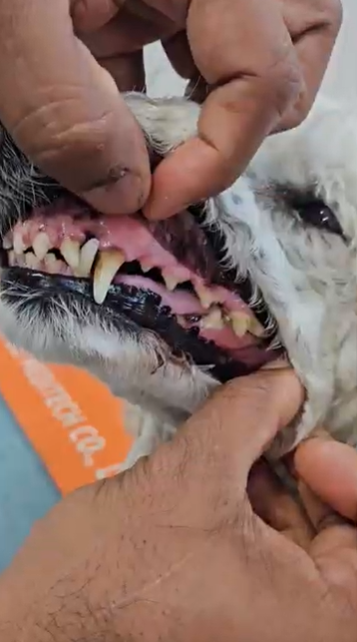
Established tartar is hardened, mineralised plaque and cannot be effectively removed by ordinary tooth brushing. Trying to scrape tartar from your dog’s teeth yourself can injure the mouth or damage the tooth surface.
If your dog already has substantial tartar or other signs of dental disease, arrange a veterinary dental examination. Your veterinarian can assess the mouth and advise whether professional dental treatment is needed.
What Not to Use When Cleaning Your Dog’s Teeth
Do not use human toothpaste. Do not use sharp or household tools to scrape tartar. Do not use products that are not intended for dogs. Do not force mouth handling if it causes fear or distress. Do not rely on dental treats or chews alone.
When Home Dental Care Is Not Enough
Home care is primarily preventive. It cannot replace professional veterinary treatment when significant dental disease has developed.
Your veterinarian may recommend a comprehensive dental procedure if there is substantial tartar, periodontal disease, damaged teeth or another oral problem. Professional treatment can include a detailed examination, dental X-rays where indicated, scaling and polishing, and treatment or extraction of affected teeth.
Professional dental procedures are performed under general anaesthesia because this allows the veterinary team to examine and clean the mouth thoroughly, including areas below the gumline, and perform dental X-rays when required.
Signs Your Dog Needs a Veterinary Dental Examination
Arrange a veterinary assessment if you notice changes in your dog’s mouth or behaviour, including:
How to Make Dog Dental Care Part of Your Routine
The best dental routine is one that you can maintain consistently. Choose a regular time of day, keep your toothbrush and pet toothpaste accessible and keep sessions predictable.
Start small, particularly with a dog unfamiliar with brushing. Combine home dental care with regular veterinary examinations so your veterinary team can monitor teeth and gums for problems that may not be visible to you.
Frequently Asked Questions
What is the best way to clean dog teeth at home?
Regular tooth brushing with a toothbrush and toothpaste specifically designed for dogs is the most effective at-home approach for controlling plaque.
Can I use human toothpaste to brush my dog’s teeth?
No. Use toothpaste specifically formulated for dogs. Human toothpaste should not be used for pets and can be toxic.
How often should I brush my dog’s teeth?
Daily brushing is ideal because it helps remove plaque before it hardens. If your dog is still learning, gradually build towards a regular routine.
Can dog dental chews replace brushing?
Dental chews may provide additional support, but they should not automatically be considered a replacement for tooth brushing or veterinary dental care.
Can I remove tartar from my dog’s teeth myself?
Established tartar is hardened and cannot be effectively removed through normal brushing. Do not scrape it away with household or sharp tools.
What if my dog will not let me brush their teeth?
Introduce each part of the routine gradually, keep sessions short, and reward calm behaviour. If your dog remains highly resistant or appears uncomfortable, speak with your veterinary team.
Professional Dental Care at Best Care Vets Beaconsfield
Home dental care is an important part of preventive pet care, but your dog’s mouth should also be assessed regularly by a veterinary professional. Best Care Vets Beaconsfield can assess your dog’s dental health and help you understand an appropriate home-care routine.
If you are unsure how to start brushing your dog’s teeth, have noticed significant tartar or are concerned about changes in your dog’s mouth, book a veterinary appointment to discuss their dental health.
Conclusion
Learning how to clean dog teeth at home can make a meaningful contribution to your dog’s oral-health routine. The key is to use dog-safe products, introduce brushing gradually and maintain it consistently.
Remember that brushing controls plaque but does not remove established tartar or treat advanced dental disease. Regular veterinary dental examinations remain an important part of your dog’s preventive care.
- Persistent or unusually strong bad breath
- Visible yellow or brown tartar
- Red, swollen or bleeding gums
- Difficulty chewing or changes in eating
- Dropping food while eating
- Excessive drooling
- Pawing at the mouth
- Loose, damaged or missing teeth